

The Allure of Gambling: Understanding the Attraction
The psychology of gambling in casinos is deeply rooted in the human fascination with risk and reward. This thrill of uncertainty creates a powerful draw for players, as each wager holds the promise of excitement and potential financial gain. The sensory overload typical of a casino environment—the vibrant lights, the sounds of spinning wheels, and the cheers of winners—intensifies this allure. For many, the casino represents not just a chance to win money, but an opportunity to explore betting canada for a life-altering experience, amplifying their motivation to participate in gambling activities.
Moreover, the social dynamics present in casinos significantly influence individual behavior. These establishments serve as social venues where players can interact, share stories, and compete against one another. The communal atmosphere fosters a sense of belonging, and the shared emotional highs of winning or the collective sighs of losing can create lasting bonds among patrons. This social interaction often heightens emotional responses, reinforcing the urge to return to the casino, as players seek both social engagement and the thrill of the game.
Cognitive biases also play a pivotal role in shaping gambling behavior. One common bias is the illusion of control, where players believe that their skill or strategies can influence the outcomes of games, even in inherently random situations. This misconception can lead to increased gambling frequency, as individuals chase after their wins, becoming more entrenched in the cycle of gambling. The combination of excitement, social interaction, and cognitive biases creates a potent mix that keeps players returning to the casino.
The Role of Environment in Gambling Behavior
Casinos are meticulously designed environments that encourage patrons to gamble for extended periods. Every element, from the layout of the gaming floor to the arrangement of machines, is carefully planned to optimize player engagement. For example, the absence of clocks and windows creates a sense of timelessness, allowing players to lose track of hours spent gaming. This disorientation can lead to prolonged gambling sessions, as players become immersed in the experience without awareness of the passage of time.
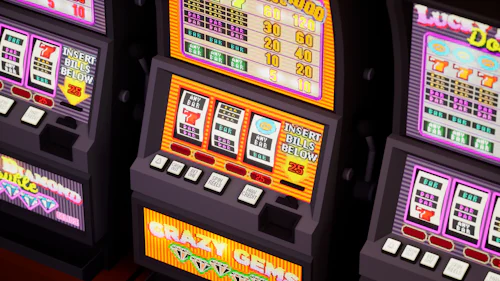
In addition to the physical layout, casinos employ various sensory cues to enhance the gambling experience. The use of bright colors, stimulating sounds, and even specific scents can create a euphoric atmosphere that reinforces positive associations with gambling. For instance, the sounds of coins dropping and the sight of flashing lights can evoke feelings of excitement and success. Over time, these sensory experiences condition players to associate gambling with pleasure, compelling them to return for more of those rewarding encounters.

However, this designed environment can lead to desensitization. As players become accustomed to the constant stimulation, they may find themselves seeking out more intense experiences to achieve the same thrill. This can result in higher stakes gambling, as individuals chase after greater rewards. The cycle of seeking increased excitement can ultimately escalate their gambling behavior, leading to potentially harmful financial and emotional consequences.
The Impact of Cognitive Dissonance on Gamblers
Cognitive dissonance is a significant psychological phenomenon that manifests in the gambling context when individuals experience a conflict between their beliefs and their actions. Gamblers often encounter dissonance when they continue to play despite losses, leading them to rationalize their behavior. They may convince themselves that their luck is about to change or that they are “due” for a win. This internal conflict can perpetuate unhealthy gambling patterns, as the need to reconcile their actions with their self-image drives them deeper into the habit.
This dissonance frequently leads to an escalation of commitment, where individuals invest more time and money into gambling in hopes of recouping their losses. The sunk cost fallacy plays a critical role here, as players feel compelled to continue gambling to justify their previous investments. This behavior can trap them in a cycle of chasing losses, making it increasingly challenging to disengage from gambling. Understanding the role of cognitive dissonance is crucial for addressing gambling addiction and developing effective strategies for recovery.
Furthermore, the gambling experience can significantly distort a player’s perception of reality. As individuals become engrossed in the pursuit of wins, they may disregard their financial limitations and personal responsibilities. This distorted thinking can lead to severe consequences, including financial difficulties and strained relationships with loved ones. Addressing these cognitive distortions is essential for individuals seeking to break free from the cycle of gambling addiction and regain control over their lives.
Emotional and Psychological Consequences of Gambling
The emotional rollercoaster associated with gambling can have profound effects on individuals. The initial rush of winning can be exhilarating, but it is often followed by the harsh reality of subsequent losses. This emotional volatility can lead to increased levels of stress, anxiety, and depression over time. Many gamblers find themselves trapped in a cycle where the emotional toll of gambling outweighs any temporary joy derived from wins, leading to a detrimental impact on their mental health.
Additionally, the psychological ramifications of gambling extend beyond the individual to include family and friends. Loved ones often bear the brunt of emotional outbursts, financial stress, and secrecy that can accompany problematic gambling behaviors. These dynamics can create tension and conflict within relationships, further exacerbating the emotional burden for the gambler. Understanding the broader implications of gambling addiction is vital for fostering a supportive environment that encourages recovery and healing.
For some individuals, seeking help can be a transformative step toward recovery. Support groups, therapy, and counseling can play a crucial role in helping individuals uncover the underlying issues that drive their gambling behavior. By addressing the emotional and psychological factors at play, individuals can develop healthier coping mechanisms and work towards establishing more fulfilling lives free from the constraints of gambling addiction.
Exploring Resources for Responsible Gambling
As awareness of gambling addiction grows, various resources have emerged to promote responsible gambling practices. Many casinos have recognized the importance of encouraging players to gamble wisely and have implemented measures to support this. These include self-exclusion programs, time tracking tools, and educational materials that inform patrons about the risks associated with gambling. Such initiatives aim to create a safer gambling environment while empowering individuals to make informed choices regarding their gaming activities.
Online platforms have also developed tools that allow players to set personal limits on their gambling activities. These features are designed to provide a sense of control and to encourage moderation. By utilizing these resources, individuals can engage in gaming activities while minimizing the risks of addiction. Responsible gambling is fundamentally about enjoyment without it becoming a harmful force in one’s life, and these tools help in achieving that balance.
Ultimately, understanding the psychological aspects of gambling and taking advantage of available resources is essential for individuals wishing to maintain a healthy relationship with gambling. By recognizing the signs of potential addiction and utilizing the support systems in place, players can ensure that their gambling experiences remain enjoyable and do not lead to distress or negative consequences in their lives. This proactive approach fosters a culture of responsible gaming while allowing individuals to appreciate the thrill of the experience.